RadioPsychoanalysis.com

Reserve a time to begin a deeper conversation with yourself.
Psychoanalytic work — sometimes also referred to as psychodynamic work — offer a dedicated space each week where your thoughts, memories, and feelings can unfold without rush or interruption.
This process can be valuable if there is anxiety, emotional difficulty, unresolved past experiences, repeated patterns in relationships, or a quiet sense that something inside feels out of place or unfinished. However, many people start the sessions not because of emotional crisis, but because something is quietly asking to be heard.
If you are considering beginning, this page allows you to make an appointment to take the first step into a meaningful inner journey.
About me
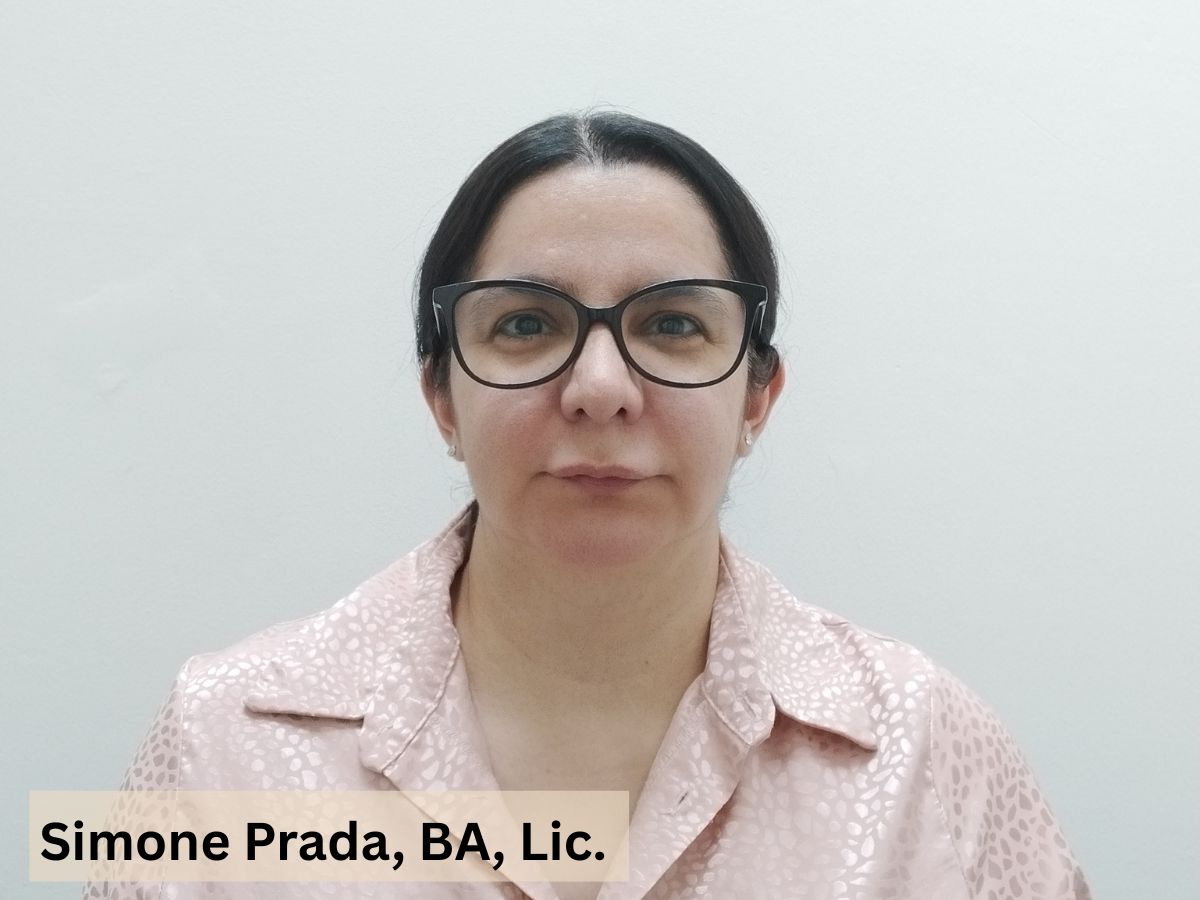
I am a psychoanalyst who helps people understand their inner world and the deeper roots of their emotional life. My work centres on the unconscious mind—the hidden thoughts, feelings, and patterns that influence how we relate to others, how we love, and experience ourselves.
Instead of giving advice or quick solutions, I work at a deeper level, where distress usually begins. We look at unresolved conflicts, emotional pain, repeated patterns in relationships, and parts of the self that feel confusing, split, or hard to put into words. By exploring the meaning behind these struggles, change can emerge naturally.
My Approach
I offer a space of calm, careful and attentive listening, without judgment or criticism.
The aim is to understand how you experience your life.
In sessions, you speak most of the time. This is important because meaning appears through your own words, pauses, doubts, repetitions and reflections.
How Sessions Work in Practice
- You speak freely, at your own pace, about whatever is troubling you.
- You may talk about current difficulties, past experiences and/or worries about the future.
- Your speech does not need to be clear or logical. Repetitions, contradictions, silences, or unfinished thoughts are welcome – these often point to something important.
Why This Kind of Listening Matters
- Feeling truly heard helps the mind to calm down and settle.
- Speaking without being constantly interrupted allows thoughts to organise themselves.
- Confusion often eases simply by being spoken and truly heard by an attentive presence.
- What feels stuck internally often starts to move once it has words.
My Role in the Process
- Help you notice the repeating inner patterns that quietly influence your choices.
- Highlight connections between feelings, beliefs, life experiences, and reactions to others.
- Assist you in understading thoughts and conflicts that feel confusing and/or vague.
- Support you in seeing how similar situations or relationships trigger familiar responses.
The Benefit for You
- Deeper understanding of yourself.
- Greater awareness of your inner patterns.
- Clearer thinking and emotional insight.
- A stronger sense of meaning and direction.
- Change that feels genuine and grounded, not forced.
Why I Do Not Give Advice or Ready-Made Answers
- Advice comes from the outside and can miss what matters to you.
- Quick solutions may silence something that needs to be understood.
- Being told what to do can block your own thinking.
- Real change happens when insights, choices, and decisions come from within.
- The aim is not to fit you into a method or rule, but to help you discover what truly makes sense within your own life story.
- Furthermore, a psychoanalyst’s job is not to give advice, suggestions or offer solutions.
When Psychoanalysis is Not Recommended
- When there is active psychosis without stability, e.g. hearing voices, strong paranoia.
- When someone needs immediate relief, such as strong panic attacks, intense anxiety.
- When the person wants quick tips and instructions, such as “Tell me what to do”, “Give me techniques to stop this thought”.
- When someone cannot tolerate self-exploration, including strong avoidance of emotions, fear of looking at personal history.
- When motivation comes from someone else, for example, a partner or family insisting on therapy.
My Background
My academic path began with a degree in Letters at the University of São Paulo, where I studied literature, language, and linguistics. This early training strongly influenced the way I listen, think, and make sense of human experience, particularly through attention to language and meaning.
I later trained in counselling and psychotherapy, where my interest in the complexity of the human mind deepened. It was during this period that I encountered psychoanalysis and became drawn to its depth and its distinctive way of approaching psychological suffering.
Within psychoanalysis, I engaged with the work of Sigmund Freud and Jacques Lacan, as well as wider depth-psychological perspectives. My clinical work is grounded in classical psychoanalysis, and integrates contemporary understandings of how emotional life and brain processes interact.
My focus is on exploring the unconscious forces that shape behaviour, emotional experience, and recurring personal difficulties. Throughout my professional development, I have remained committed to understanding the meaning behind psychological distress, unresolved inner conflicts, and repetitive patterns that restrict personal freedom and fulfilment.
To expand this understanding further, I pursued studies in neuropsychoanalysis and evolutionary psychology. These fields allowed me to connect subjective experience with the body, the brain, and our evolutionary history, offering a more integrated view of how biology, culture, language, and meaning come together in human life.
My way of working is grounded in careful listening to the reality of psychic life, including its conflicts, contradictions, resistances and repetitions. Rather than offering ready-made solutions, I attend to emotional truth and to the meanings that emerge throughout the sessions. From this perspective, change comes from bringing unconscious processes into awareness, allowing insight to gradually reshape experience in a lasting and meaningful way.

Education
- Psychoanalysis – Postgraduate Lato Sensu – PUC.
- Licentiate in Letters – University of São Paulo.
- BA in Humanities (Letters) – University of São Paulo.
Short Courses & Diplomas
- Evolutionary Psychology – Liverpool University .
- Neuropsychoanalysis – Oxford University .
- Psychoanalysis and Art – Oxford University.
- Psychoanalysis – Centre of Excellence .
- Counselling and Psychotherapy – Ncfe.

CPD
. Psychoanalytic Treatment of Psychosis – Tavistock Relationships
. Understanding Suicide and Suicide Prevention – LC & CTA
. Working with Loss and Bereavement – WPF Therapy
. Dreams and Dreaming: A user’s Working with Dreams in Counselling and Psychotherapy – WPF Therapy
. Dissociative States and Child Abuse – WPF Therapy

Common Questions
Here are some of the most frequently asked questions about our psychoanalytic therapy services.
What is psychoanalytic therapy?
Psychoanalytic therapy is a form of depth psychology that aims to explore the unconscious mind to understand and resolve deep-seated emotional issues.
How do I prepare for my first session?
Rather than rehearsing or planning what to say, allow your thoughts to come as they do. In psychoanalytic work, even the unexpected or seemingly unrelated can be meaningful. The mind often reveals more when it is not directed or edited.
How long does each session last?
Each therapy session typically lasts 50 minutes, allowing ample time to delve into your thoughts and feelings.
What should I expect during a session?
Expect a safe and confidential space where you can freely express your thoughts and emotions without the fear of being judged or criticised.
How often should I attend therapy sessions?
The frequency of sessions depends on your individual needs and goals. Typically, clients start with weekly sessions and adjust as needed.
How much is each individual session?
Each session is £36 (British Pounds).
If you’re unsure whether this approach is right for you, the first session can help you get a sense of the rhythm and see whether the work feels meaningful and appropriate for your needs.